Hongru Zhao

IRSA Faragher Distinguished Postdoctoral Fellow

School of Statistics, University of Minnesota–Twin Cities

About Me

I am a postdoctoral fellow in the School of Statistics at the University of Minnesota–Twin Cities (2025–2027). I received my Ph.D. in Statistics from the University of Minnesota in 2025, advised by Adam J. Rothman.

My current research focuses on quantum information science. I study the statistical limits of quantum state estimation, the behavior of quantum entanglement, and the mathematical foundations of quantum computational advantage. My broader research interests include high-dimensional statistics, adaptive experimental design, and gravitational-wave inference. Random matrix theory and probability provide central mathematical tools for this work, alongside statistical learning and optimization.

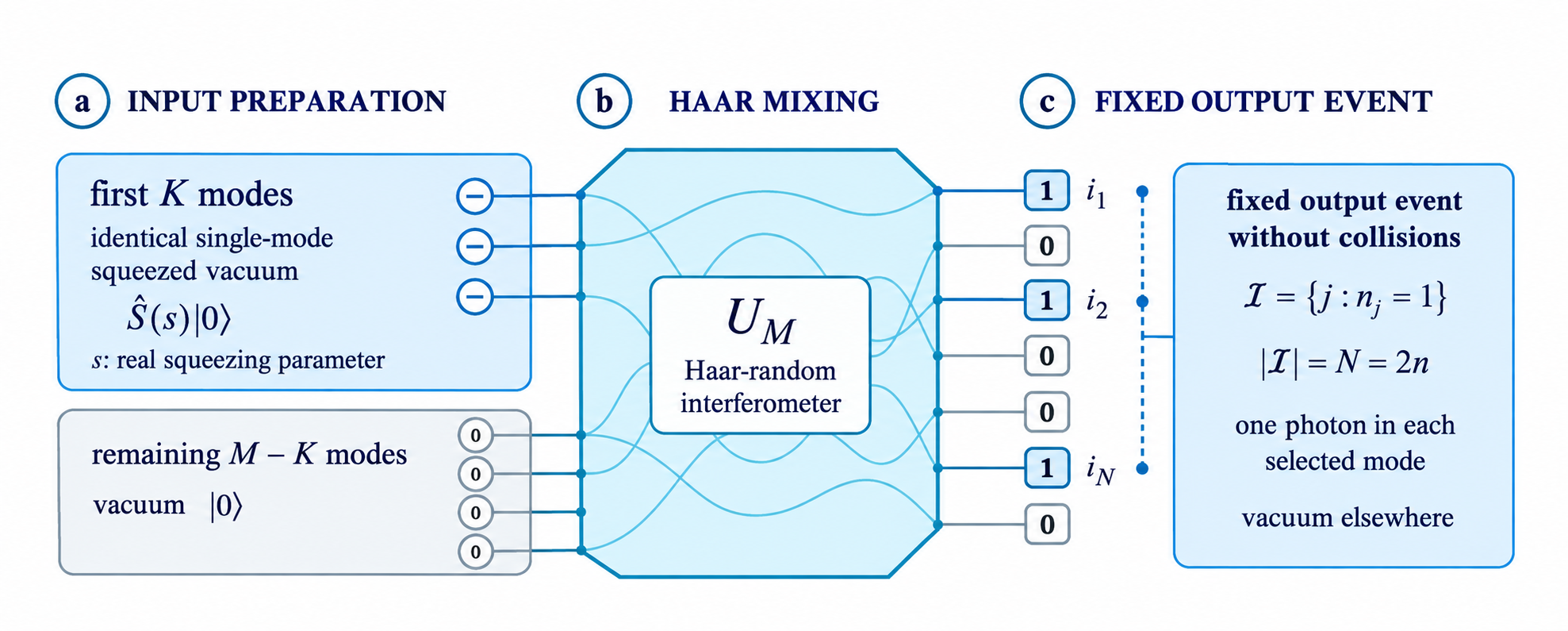
My recent work on uniform hiding and local hafnian anticoncentration represents a significant breakthrough toward establishing quantum advantage in Gaussian boson sampling. Read the explanation.

Invited talk on gravitational-wave inference at Sun Yat-sen University. Slides

Invited talk on adaptive design for quantum state tomography at Tianjin University. Slides

Began the IRSA Faragher Distinguished Postdoctoral Fellowship at the University of Minnesota.

Latest Posts

All Posts
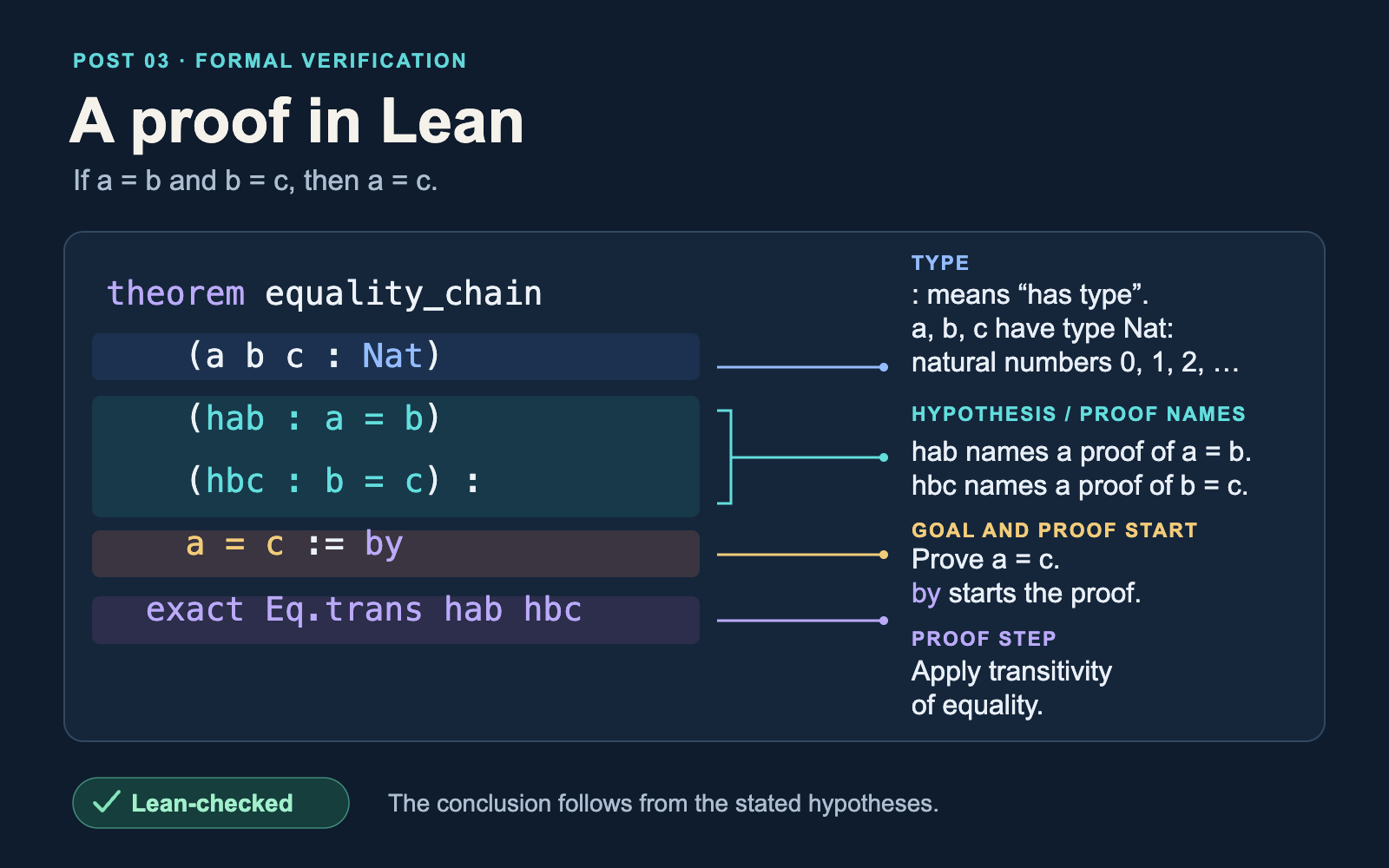
An annotated Lean proof: the colon means has type. The objects a, b, and c have type Nat, the natural numbers 0, 1, 2, and so on. The identifiers hab and hbc are hypothesis/proof names for proofs of a = b and b = c. The keyword by starts the proof; transitivity proves the goal a = c. The complete example is checked in Lean.

Lean and the Future of Theoretical Research

From chess and AI coding to scientific discovery: why verification matters, what Lean checks, and how I would organize research with AI and formal proofs.

Size and power of a Gaussian complete-independence test based on the standardized sample-correlation log determinant. The null histogram follows the standard normal approximation; the specified AR(1) alternative shifts the distribution into the left-tail rejection region.

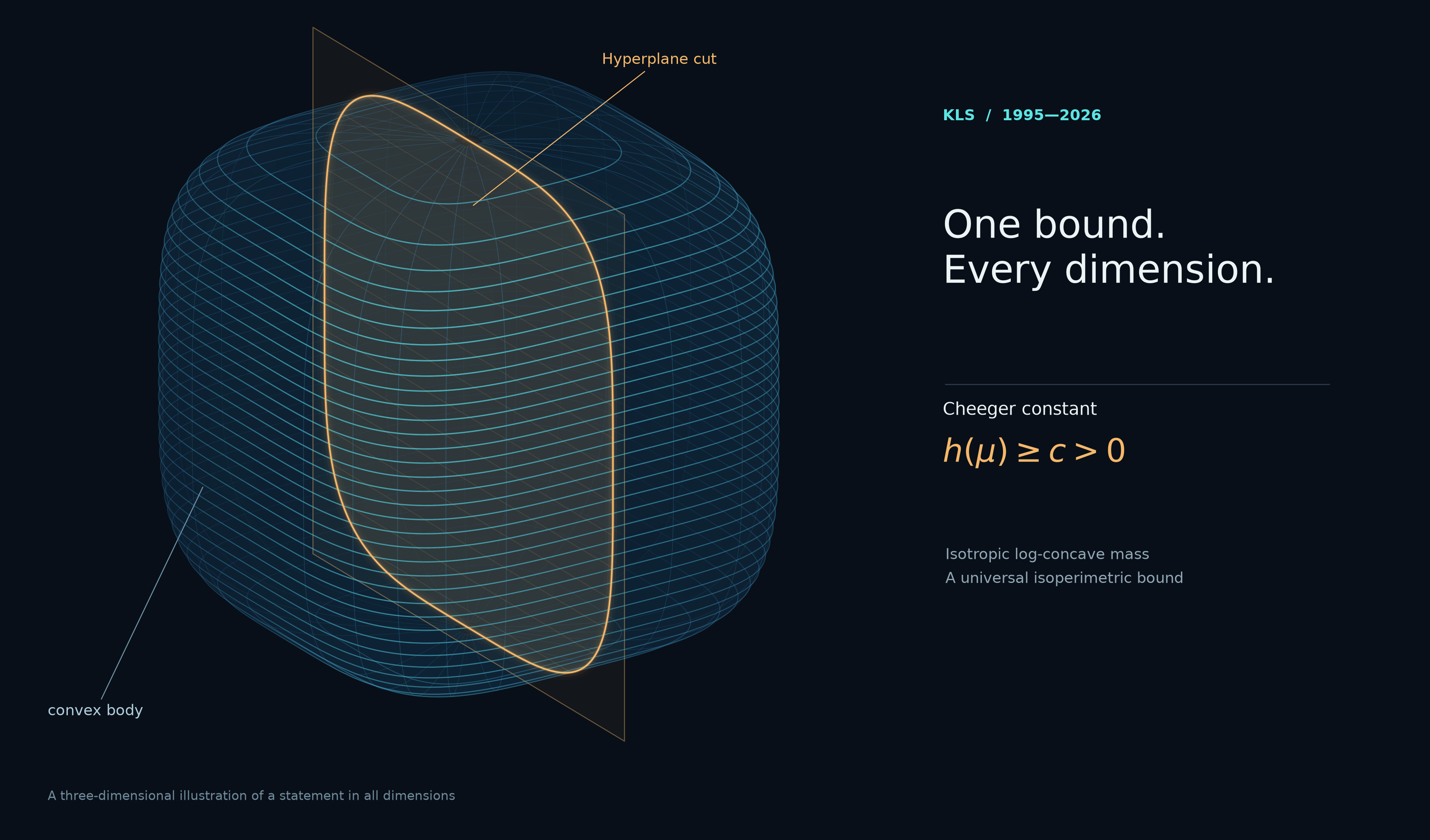
My First Vibemathing Attempt

A PDF, an overnight argument, and two days learning the geometry behind a problem that had resisted me for months.